Understanding Hot Food Packaging Materials
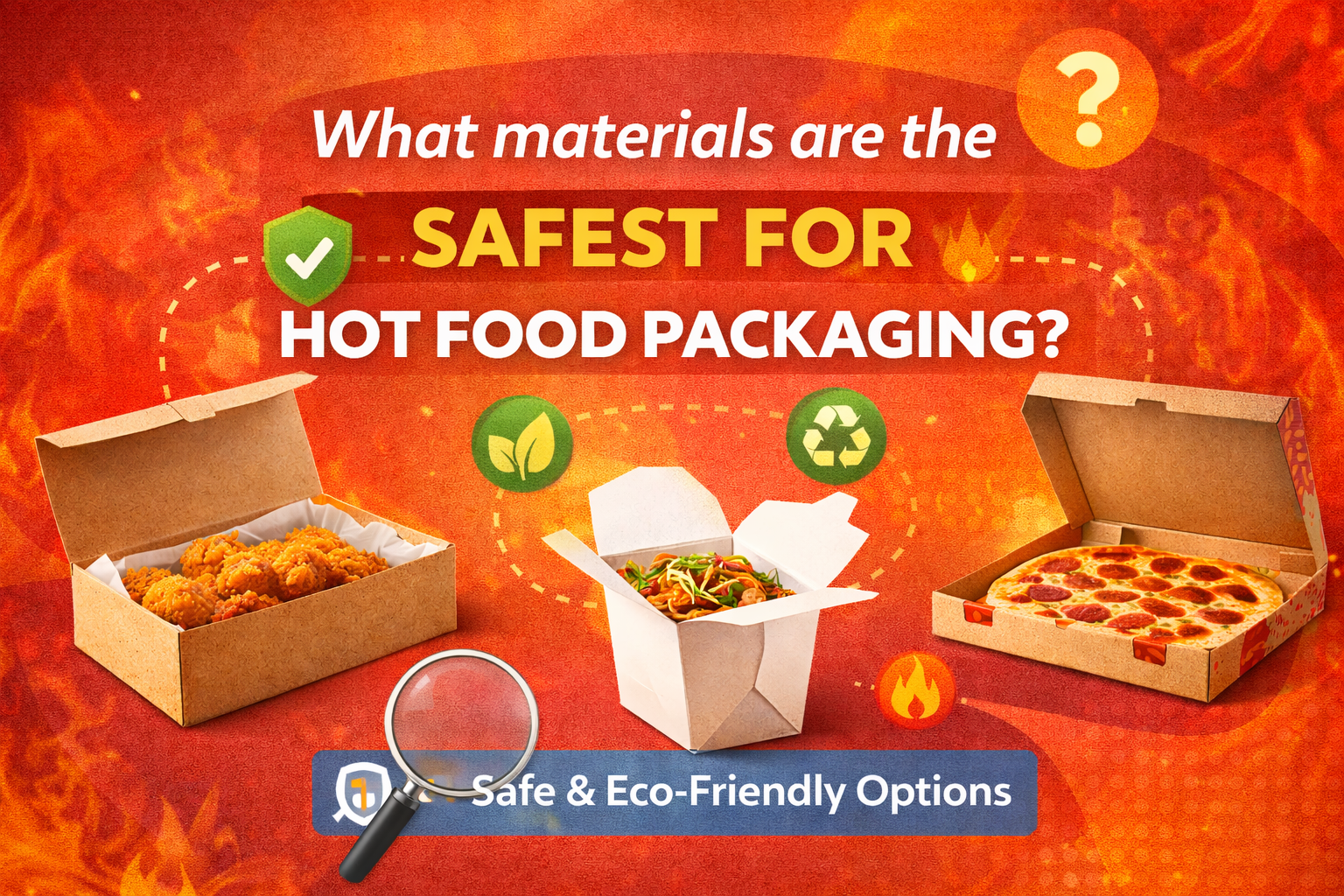
Choosing the wrong hot food packaging doesn’t just disappoint customers — it can pose genuine safety risks. According to research published in PMC, packaging materials in direct contact with food can transfer chemical compounds, particularly under heat. Not all materials behave the same way once temperatures rise, and that distinction matters enormously. Understanding which materials hold up safely — and which don’t — is the essential starting point for any food business.
The Framework for Safe Hot Food Packaging
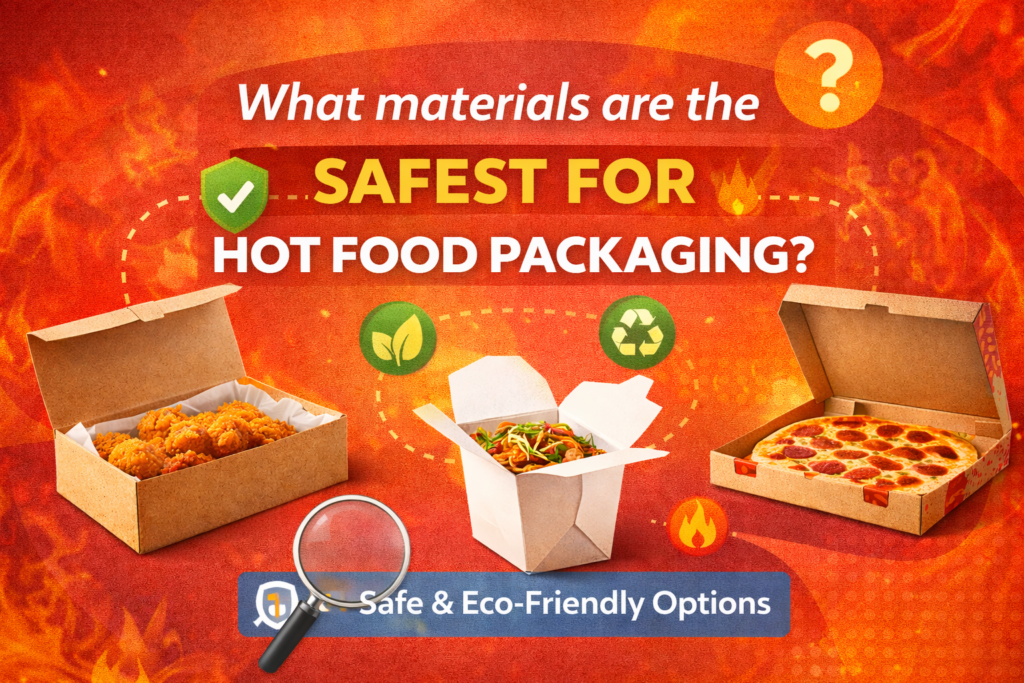
Identifying the safest materials for hot food packaging requires evaluating several interconnected factors — not just heat tolerance alone. The FDA establishes that any material contacting food must be assessed for chemical migration, structural integrity, and end-use conditions. Understanding this framework helps clarify why some packaging types outperform others at high temperatures — a topic the next section explores in depth.
Heat Resistance: The First Line of Defence
When evaluating food packaging materials for hot applications, heat resistance is the non-negotiable starting point. A container that warps, softens, or degrades under temperature compromises both structural integrity and food safety — sometimes invisibly.
Different materials tolerate heat very differently. Aluminium foil containers, for instance, remain stable well beyond typical serving temperatures, making them reliable for oven-ready meals and dense, moisture-rich dishes — explore heat-retaining container options to understand which formats suit specific foods best.
Heat resistance alone, however, doesn’t guarantee safety. What happens at those temperatures — whether a material begins releasing compounds into food — is equally critical, and that’s precisely what the next section examines.
Non-Leaching Properties: Ensuring Food Safety
Heat resistance alone doesn’t guarantee safety. Heat resistant packaging must also be non-leaching — meaning it won’t transfer harmful chemicals into food when temperatures rise. According to research published in PMC, certain plastics release measurable chemical migrants under thermal stress, making material selection critical beyond structural performance alone.
Non-leaching capability is the defining line between a container that merely survives heat and one that’s genuinely safe. This is particularly relevant for items like double-walled hot drink vessels, where prolonged heat contact demands both insulation and chemical inertness. Certification, covered next, confirms these properties are independently verified.
Food-Grade Certification: What to Look For
Beyond heat resistance and non-leaching properties, food-grade certification is the verification layer that confirms a material is genuinely safe for contact with food. Look for packaging that meets FDA food contact substance standards and carries recognised compliance markings. For paper-based options, PFAS-free paper certification is increasingly critical — ensuring no harmful “forever chemicals” were used in grease-resistant coatings. These details matter whether you’re sourcing sleeves for hot drinks or structured food containers. In practice, certification transforms a material claim into a verifiable guarantee.
Case Studies: Material Choice in Action
Real-world decisions around food safety reveal how material selection plays out in practice. A street food vendor switching from single-use polystyrene to certified kraft board, for example, typically finds that heat retention holds steady whilst chemical migration risk drops considerably. Similarly, operations handling hot, syrup-drenched items — such as waffle packaging — routinely favour PE-lined paperboard precisely because it withstands both heat and moisture without compromising integrity. These scenarios underscore a consistent pattern: the safest outcomes emerge when material choice aligns with the specific thermal and chemical demands of the food being served. With the fundamentals of certification and leaching now established, it’s worth examining how individual materials actually compare side by side.
Comparative Analysis: Common Materials
Choosing between materials isn’t purely a safety question — it’s also a practical and environmental one. Paper and cardboard remain popular for hot food packaging, offering good heat tolerance and strong sustainable packaging credentials when sourced responsibly. Aluminium foil containers handle high temperatures exceptionally well and are fully recyclable. CPET plastic withstands oven temperatures, whilst bagasse (sugarcane pulp) offers a compostable alternative increasingly favoured by UK operators looking at practical options for their business. Each material carries trade-offs in cost, durability, and compliance — understanding those distinctions is essential before committing to a supply chain. That same logic applies when evaluating which plastics specifically are appropriate for direct contact with hot food.
What Plastic Is Safe for Hot Food?
When asking what materials best hot food packaging, plastic demands careful scrutiny. Not all plastics behave equally under heat. Polypropylene (PP5) is the standout choice — it tolerates temperatures up to 130°C without leaching harmful compounds, making it widely accepted for hot food containers. According to the Ultimate Guide to Food-Grade Plastics, food-grade plastics must meet strict composition standards before contact with food is considered safe.
Plastics to avoid with hot food include PS (polystyrene) and PVC — both can release potentially harmful chemicals when exposed to heat. When sourcing containers, always check the resin identification code stamped on the base.
That said, even “safe” plastics have thermal limits worth understanding — particularly when hot liquids enter the equation.
Is Food Grade Plastic Safe for Hot Water?
When asking what materials are safest for hot food packaging, food grade plastics used with hot liquids deserve specific attention. Not all food grade plastics tolerate hot water safely. Polypropylene (PP5) handles boiling liquids well, but softer plastics like PET can warp or leach compounds when exposed to high temperatures. Working with a reputable food packaging supplier ensures materials meet compliance standards before they reach consumers. That said, even certified plastics have thermal thresholds worth understanding — which we’ll explore next.
Limitations and Considerations
No packaging material is without compromise. Even the safest options carry caveats worth understanding before committing to a solution.
Cost, performance, and sustainability rarely align perfectly. Stainless steel and glass offer excellent safety profiles but add weight and fragility. Polypropylene performs well under heat yet remains a single-use plastic in most contexts. Even compostable materials require industrial composting facilities to break down properly — conditions rarely met in standard waste streams.
The safest packaging material is only as effective as the conditions it’s used within — temperature, duration, and food type all influence real-world performance.
In practice, businesses sourcing hot food packaging must weigh regulatory compliance alongside operational realities. What works for a high-volume takeaway differs from a small café’s needs. These nuances often surface in the questions businesses ask most frequently — which the next section addresses directly.
Frequently Asked Questions
Is stainless steel the safest material for hot food packaging? Stainless steel is highly inert and doesn’t leach chemicals, making it excellent for reusable hot food containers. However, for single-use commercial packaging, it’s rarely practical or cost-effective.
Can cardboard be used safely for hot food? Yes — food-grade cardboard, particularly sustainably sourced options, handles moderate heat well. Avoid wax-coated variants at high temperatures.
What plastic numbers are safest for hot food? PP (polypropylene, #5) is the most heat-tolerant food-safe plastic. Avoid PVC (#3) and PS (#6) with hot contents entirely.
These answers offer a useful starting point — the following key takeaways will help consolidate the most critical guidance into clear, actionable choices.
Key Takeaways
- Stainless steel and glass remain the gold standard for hot food contact — inert, durable, and chemical-free
- PFAS-free paperboard and unbleached kraft are the safest single-use options
- Heat accelerates chemical migration; always match packaging to intended temperature
- Regulatory approval (FDA or equivalent) is a baseline, not a guarantee of absolute safety
The safest packaging is the one chosen with full knowledge of what it contains — and what it doesn’t.
Not every operation needs the same solution, and sustainable choices needn’t mean compromised performance. Whether shipping ambient products in eco-conscious custom boxes or serving piping-hot meals, the material decision matters. Next, we’ll address the question that causes most confusion: which plastics, if any, are genuinely safe for hot food.
What plastic is safe for hot food?
Not all plastics behave the same under heat. Polypropylene (PP, resin code #5) is widely regarded as the safest plastic for hot food contact — it has a high melting point and remains stable at serving temperatures without leaching harmful compounds.
When plastics do concern you, it’s worth knowing which ones hold up. The next section covers exactly which three to avoid entirely.
What are the three unsafe plastics?
Three plastic types stand out as particularly risky for hot food contact: PVC (#3), polystyrene (#6), and polycarbonate (#7).
Heat accelerates chemical migration from all three. Avoid these whenever hot food is involved.
Is silicone safer than plastic for food storage?
Generally speaking, yes. Food-grade silicone is considered significantly safer than most plastics for hot food contact. It’s thermally stable, typically withstanding temperatures from -40°C to 230°C, and doesn’t leach harmful chemicals when heated. Unlike polystyrene or PVC, silicone contains no BPA, phthalates, or plasticisers — making it a compelling alternative for reusable hot food storage. That said, quality matters: always look for FDA-compliant, food-grade silicone rather than cheaper industrial variants. If you’re weighing up silicone against another popular alternative, aluminium packaging presents an interesting comparison worth exploring.
Is aluminium safer than plastic?
For hot food contact, aluminium holds a strong safety record. It doesn’t leach hormone-disrupting chemicals the way certain plastics do, tolerates high temperatures without degrading, and is widely recyclable — making it a practical and safer alternative worth considering before we examine which specific plastics do pass the safety threshold.
What plastic is safe for hot food?
Not all plastics are equal. Polypropylene (PP), marked with recycling code 5, is widely regarded as the safest plastic for hot food contact — heat-tolerant up to around 130°C and resistant to chemical leaching. Avoid polystyrene (PS, code 6) and single-use PET with hot contents, as heat accelerates migration of potentially harmful compounds.
Conclusion: Choosing the Safest Hot Food Packaging
Safe hot food packaging comes down to one principle: match the material to the application. Aluminium and food-grade polypropylene lead for heat tolerance; paper and cardboard offer sustainable versatility; single-use plastics like PS and PVC should be avoided entirely near hot food.
The safest packaging isn’t always the most familiar — it’s the one engineered for the conditions it faces.
When sourcing packaging, always verify food-grade certification and look for materials compliant with FDA food contact standards. Your customers’ safety depends on it.