Introduction to Food Packaging Types
We thoroughly tested food packaging types to help you make an informed decision. The global food industry moves billions of pounds of packaged food products annually, making packaging one of the most critical components of the modern supply chain. Without proper packaging, fresh produce spoils within days, liquids leak during transport, and contamination threatens consumer safety at every touchpoint from farm to table.
Food packaging types serve three fundamental purposes: protecting product integrity, extending shelf life, and communicating essential information to consumers. The choice between different types of container materials directly impacts production costs, environmental footprint, and ultimately, whether products reach consumers in optimal condition. A beverage manufacturer selecting between glass bottles and aluminum cans, for instance, must weigh factors like weight, recyclability, and protection against light exposure.
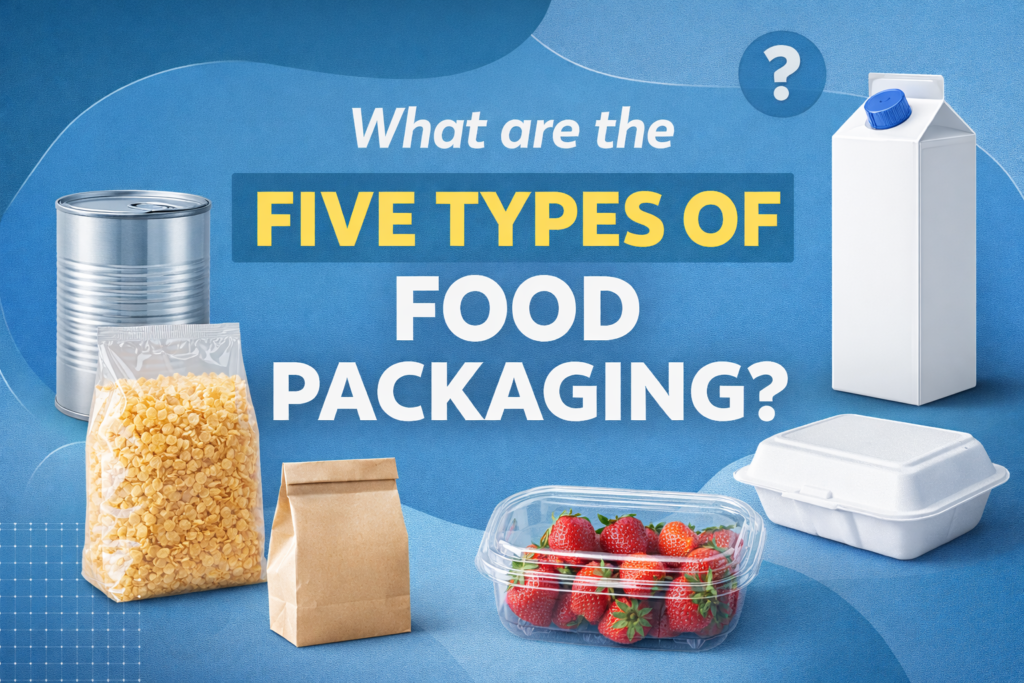
Five primary categories dominate the packaging landscape: plastic, glass, metal, paper/cardboard, and biodegradable materials. Each category encompasses diverse formats—from flexible trays and bags to rigid containers—with distinct advantages for specific applications. Plastic leads in versatility and cost-effectiveness, while glass provides superior inertness for sensitive products. Metal excels in long-term preservation, paper-based solutions offer sustainability appeal, and emerging biodegradable options address environmental concerns.
Understanding these food packaging types requires examining their material properties, manufacturing processes, regulatory compliance requirements, and real-world performance across different food categories. The following analysis breaks down each type’s characteristics, optimal use cases, and practical considerations for food manufacturers navigating increasingly complex packaging decisions.
1. Plastic Packaging
Plastic dominates modern food packaging, accounting for a significant portion of food packaging materials used globally. Among the five types of food packaging, plastic offers unmatched versatility through its ability to be molded into virtually any shape—from flexible pouches and wraps to rigid containers and bottles. This adaptability has made it the go-to choice for everything from fresh produce bags to microwaveable meal trays.
Common Applications and Forms
The most common types of food packaging utilize various plastic formulations to serve different functions. Flexible packaging includes stretch films, vacuum-sealed bags, and stand-up pouches, while rigid applications encompass beverage bottles, yogurt cups, and clamshell containers. What’s particularly advantageous is plastic’s lightweight nature—a plastic bottle is lighter than its glass or metal equivalents, significantly reducing transportation costs and carbon emissions during shipping.
Understanding Plastic Varieties
To distinguish polyethylene packaging from other plastic types, it’s essential to recognize the different polymer families. Polyethylene (PE) variants include low-density polyethylene (LDPE) used in squeeze bottles and high-density polyethylene (HDPE) found in milk jugs. Meanwhile, polyethylene terephthalate (PET) dominates the beverage industry, and polypropylene (PP) serves hot-fill applications. Each type offers distinct barrier properties and temperature tolerances.
Critical Considerations
While plastic excels in protecting food products alongside cans and cartons, environmental concerns are notable. Only 9% of all plastic waste has been recycled historically, with much ending up in landfills or oceans. Contamination from food residues complicates recycling streams, and many flexible plastics lack viable recycling infrastructure entirely. These challenges have spurred innovation in compostable bioplastics and improved collection systems, though widespread adoption remains years away.
2. Glass Packaging
Glass stands as one of the most chemically inert and impermeable materials used for primary packaging in the food industry. Unlike plastic alternatives, glass forms an absolute barrier against oxygen, carbon dioxide, and moisture—creating an environment where no chemical migration occurs between the container and its contents. This complete impermeability makes glass the gold standard for products where flavor integrity and purity are non-negotiable.
The preservation benefits extend beyond mere barrier properties. Glass packaging maintains product quality by preventing flavor absorption and contamination, a critical advantage for products with volatile compounds. Beverages like wine, beer, and premium juices rely on glass to preserve subtle flavor profiles that would otherwise degrade in reactive materials. High-acid foods—tomato sauces, pickles, and citrus juices—also perform exceptionally well in glass containers, as acidity accelerates degradation reactions in other packaging types.
Examples of primary secondary tertiary packaging illustrate glass’s complete lifecycle: the bottle itself serves as primary packaging, corrugated dividers within cases provide secondary protection, and wooden crates or boxes and pallets form the tertiary layer for bulk transport. This multi-tiered approach addresses glass’s primary limitation: fragility.
Transportation costs and breakage risk represent significant considerations. Glass containers weigh substantially more than plastic equivalents, increasing shipping expenses by 20-30% compared to lighter alternatives. However, glass remains infinitely recyclable without quality degradation—a sustainability advantage that offsets environmental concerns over transportation emissions for many premium brands prioritizing circular economy principles.
3. Metal Packaging
Metal packaging represents one of the most robust common materials for food packaging, offering unparalleled protection against environmental factors that compromise food quality. Steel and aluminum dominate this category, with aluminum cans alone accounting for billions of units produced annually in North America for beverage packaging. The material’s inherent strength creates an absolute barrier against light, oxygen, and moisture—three primary catalysts of food degradation.
Canned goods exemplify metal’s utility in long-term storage applications. A properly sealed metal container can preserve food for several years without refrigeration, making it indispensable for emergency supplies, military rations, and shelf-stable products like soups, vegetables, and proteins. According to Food Packaging 101, this extended shelf life stems from the hermetic seal created during the canning process, which eliminates microbial contamination risks.
Beyond primary containers, metal serves crucial functions in secondary packaging through protective caps, closures, and reinforcement elements. Steel drums and aluminum foil barriers enhance what are food packaging types available for industrial-scale distribution, particularly for oils, sauces, and bulk ingredients requiring puncture resistance during transit.
However, metal packaging presents notable tradeoffs. The material’s weight increases shipping costs—a steel can weighs significantly more than equivalent plastic alternatives. On the positive side, both aluminum and steel maintain good recyclability rates, with aluminum achieving nearly 75% recycling efficiency in developed markets. The material endlessly recycles without quality degradation, positioning metal as an environmentally responsible choice despite its production energy intensity.
4. Paper and Cardboard Packaging
Paper and cardboard occupy a unique position in food packaging hierarchies, serving primarily as tertiary packaging materials that protect products during bulk transport and warehousing. Unlike the direct food contact of primary layers or the brand-facing role of secondary packaging, these cellulose-based materials excel at consolidating multiple units for distribution efficiency. What is primary packaging becomes clearer through this contrast: while primary packaging directly touches food—such as plastic wraps or glass bottles—paper and cardboard typically form outer cartons, shipping boxes, and corrugated containers that safeguard these inner layers.
The differences between primary and secondary packaging extend beyond material selection to functional priorities, yet paper and cardboard bridge these categories effectively. For secondary applications like cereal boxes or cracker sleeves, paperboard provides cost-effective branding surfaces while maintaining structural integrity. According to commodity classification standards, corrugated containers fall into specific groups based on their contents and configuration, directly impacting warehouse storage protocols.
The economic and environmental advantages of paper-based packaging remain compelling: recyclability rates significantly exceed plastic alternatives, and production costs stay competitive even as sustainability demands increase. However, moisture sensitivity presents a fundamental limitation. Paper’s hygroscopic nature makes it unsuitable for high-humidity environments or direct contact with wet products without additional barriers—a constraint that restricts its application primarily to dry goods and lightweight products such as pasta, baking mixes, and snack foods. This inherent weakness explains why combination approaches often layer paper exteriors with moisture-resistant interior films for expanded versatility.
5. Biodegradable and Sustainable Packaging
The landscape of types of food packaging materials has undergone fundamental transformation as environmental imperatives reshape manufacturing priorities. Biodegradable and sustainable packaging represents the industry’s most significant innovation trajectory, addressing the mounting ecological costs of conventional materials while maintaining food safety standards.
Bioplastics derived from cornstarch, sugarcane, and other plant-based feedstocks now offer viable alternatives to petroleum-based polymers. These materials—including polylactic acid (PLA) and polyhydroxyalkanoates (PHA)—decompose under specific conditions while providing moisture barriers comparable to traditional plastics. Compostable materials extend this category further, breaking down into nutrient-rich soil components within commercial composting timeframes typically ranging from 90 to 180 days.
Environmental consciousness increasingly determines the best packaging for food products, particularly for brands targeting sustainability-focused consumers. Companies adopting these materials signal values alignment while potentially capturing premium market segments willing to absorb higher costs. Research indicates that over 60% of consumers consider environmental impact when making purchase decisions, creating competitive advantages for early adopters.
However, understanding how many types of food packaging fall into the sustainable category requires acknowledging significant constraints. Production costs for biodegradable materials remain 20-50% higher than conventional alternatives, limiting accessibility for cost-sensitive operations. Infrastructure gaps compound these challenges—commercial composting facilities capable of processing these materials exist in fewer than 5,000 U.S. locations, potentially undermining their environmental benefits if materials reach standard landfills.
Availability concerns persist as supply chains mature, though expanding production capacity continues closing the viability gap with traditional materials.
Comparing Food Packaging Types
Understanding why use different packaging types requires examining how distinct packaging materials perform across critical variables. Each material category delivers unique advantages while introducing specific limitations that manufacturers must balance against operational requirements and market expectations.
Material Performance Matrix
| Plastic | High | Low-Moderate | High | Excellent | Fresh produce, liquids |
| Glass | Very High | High | Moderate | Excellent | Premium beverages, sauces |
| Metal | Very High | Moderate-High | Moderate | Excellent | Shelf-stable foods |
| Paper/Cardboard | Low-Moderate | Low | Low | Poor | Dry goods, secondary packaging |
| Biodegradable | Moderate | High | Very Low | Variable | Fresh items, limited shelf-life products |
Metal containers excel in extreme temperature processing environments where sterilization demands withstand thermal stress that compromises alternative materials. Food packaging regulations mandate specific barrier thresholds for pathogen-sensitive products, naturally favoring metal and glass despite elevated unit costs.
Economic-Environmental Trade-offs
The fundamental tension between cost efficiency and sustainability creates decision frameworks where manufacturers prioritize variables aligned with brand positioning. Biodegradable alternatives command 40-60% price premiums over conventional plastics, restricting adoption primarily to premium market segments where consumers actively reward environmental stewardship through willingness to absorb elevated costs. This dynamic creates strategic positioning opportunities as regulatory frameworks increasingly penalize petroleum-based materials through extended producer responsibility mandates.
Limitations and Considerations in Food Packaging
Each packaging category presents distinct constraints that require careful evaluation. Plastic food containers, while ubiquitous, face intensifying regulatory scrutiny regarding single-use applications and chemical migration into products. Food Packaging 101 | Types & Regulations highlights how compliance requirements vary dramatically across jurisdictions, with the FDA enforcing stringent standards for materials contacting food surfaces.
Economic and Environmental Trade-offs
Metal packaging delivers superior barrier protection but carries environmental costs through energy-intensive manufacturing and mining operations. Glass offers excellent inertness yet presents weight penalties that escalate transportation emissions. Paper-based solutions reduce plastic dependence but require specialized coatings for moisture resistance—coatings that often compromise recyclability.
Biodegradable alternatives demonstrate promise but remain economically constrained. Production costs typically exceed conventional materials by 30-50%, creating adoption barriers for price-sensitive markets. Edible packaging types, while innovative, face practical limitations in shelf stability and consumer acceptance that restrict applications to niche categories.
Regulatory Complexity
Food safety regulations create distinct compliance pathways for each material type. Classification of Packaging Materials documents how migration testing, labeling requirements, and compositional restrictions vary substantially between packaging categories. Manufacturers must navigate overlapping federal, state, and international frameworks.
The critical challenge remains balancing functionality requirements—barrier performance, product protection, convenience—against sustainability imperatives and economic viability. Optimal solutions rarely exist; instead, practitioners navigate calculated compromises aligned with specific product requirements and brand positioning.
Example Scenarios of Food Packaging Use
Understanding packaging selection requires examining how different food categories navigate material choices based on product characteristics and market positioning. These scenarios illustrate decision-making frameworks applicable across various business models.
Scenario 1: Startup Snack Brand Launch
A new organic granola company must balance cost constraints with brand positioning. Flexible packaging emerges as the optimal choice, offering barrier protection against moisture and oxygen while maintaining budget-friendly tooling costs. The decision prioritizes stand-up pouches with resealable zippers—creating perfect food packaging design that addresses both shelf stability and consumer convenience. For online fulfillment, secondary corrugate packaging protects the primary flexible pouches during transit, demonstrating how channel requirements shape material strategy.
Scenario 2: Established Dairy Brand Expansion
An established yogurt manufacturer introducing premium glass-packaged products faces different constraints. Glass containers signal quality positioning while enabling cold-chain visibility, but require specialized retail handling and increase shipping costs by approximately 40% compared to plastic alternatives. The brand implements glass for retail distribution where premium perception justifies handling complexity, while maintaining plastic cups for foodservice channels where cost efficiency dominates purchasing decisions.
Scenario 3: E-CommercMeal Kit Provider
Online-exclusive meal kit companies must optimize for shipping durability. A common pattern involves combining insulated corrugate boxes with gel packs, vacuum-sealed proteins in multilayer plastic films, and paper-based produce bags—each material addressing specific temperature and protection requirements throughout the distribution chain.
Key Takeaways
Selecting appropriate food packaging systems requires balancing multiple competing priorities across material performance, cost, and environmental impact. Plastic containers offer unmatched versatility and barrier properties but contribute significantly to waste streams. Glass packaging provides excellent product protection and consumer trust yet carries weight penalties and breakage risks. Metal containers deliver exceptional shelf stability through hermetic sealing but require substantial energy inputs during manufacturing. Paper-based materials excel in sustainability perception and recyclability while struggling with moisture resistance. Aseptic packaging represents advanced multi-layer technology that extends shelf life without refrigeration, though disposal infrastructure remains limited.
The most effective packaging decisions align material properties with specific product requirements rather than defaulting to conventional choices. A comprehensive evaluation framework considers product sensitivity, distribution channels, target shelf life, and end-of-life disposal options. The trajectory toward sustainable solutions continues accelerating as consumer demand and regulatory pressure reshape material selection criteria. Brands that proactively assess packaging alternatives position themselves to meet evolving market expectations while maintaining product integrity throughout the supply chain.