Understanding Food Packaging Boxes
Food packaging boxes aren’t just containers they’re strategic assets that protect nearly £600 billion in food products globally. Whether you’re launching a bakery, scaling a meal-prep service, or pivoting your restaurant to takeaway, the right packaging choice dramatically impacts product safety, brand perception, and your bottom line. The global food packaging market is projected to reach $573.4 billion by 2030, driven by surging demand for sustainable, functional packaging that preserves freshness whilst communicating brand values.
Where to buy food packaging boxes depends on your specific needs—volume requirements, customisation demands, and timeline constraints. Industrial buyers typically source through wholesale distributors and manufacturers like Brillient Packaging, whilst smaller operations might explore retail packaging suppliers or e-commerce platforms. The packaging you choose directly influences shelf life; research shows that properly packaged perishable foods can retain freshness by 40-60%, reducing waste and improving customer satisfaction. Understanding material options, size specifications, and regulatory compliance requirements sets the foundation for sourcing decisions that protect both your products and profitability.
Types of Food Packaging Boxes
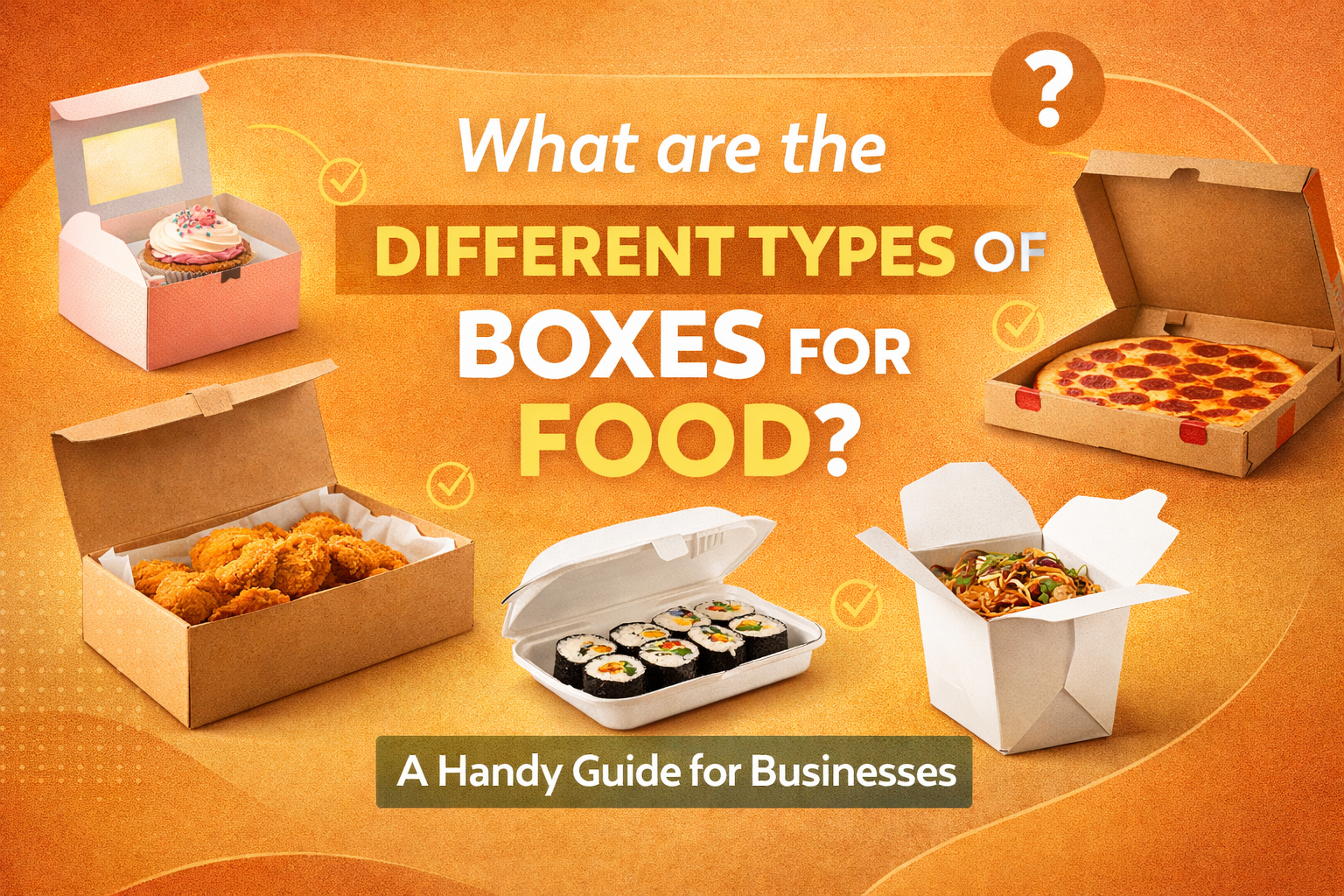
When you buy food packaging boxes, understanding the main categories helps you narrow down options quickly. The market offers four primary types: rigid boxes for premium items like confectionery, corrugated cardboard for shipping, and bulk transport.fortunebusinessinsights.com/industry-reports/food-packaging-market-101941) and flexible pouches for snacks and ready meals. Material choice matters equally. Paperboard and cardboard dominate wholesale food packaging boxes online due to their recyclability and cost-effectiveness, whilst biodegradable options—cornstarch, mushroom-based materials, and PLA—are gaining traction as sustainable packaging grows at 7.8% annually. Glass and metal serve niche applications requiring superior barrier properties, though they’re heavier and pricier. Your product’s shelf life, weight, and brand positioning determine which combination delivers the best value.
Why Choosing the Right Packaging Matters
The wrong packaging costs you twice—once when you purchase inferior food packaging supplies, and again when products spoil prematurely. According to Statista’s food packaging analysis, packaging failures account for approximately 30% of food waste in developed markets, resulting in billions in lost revenue annually.
Beyond preservation, your packaging box functions as a silent salesperson at the shelf level. Research shows consumers form purchase decisions within 3-7 seconds of seeing a product, with packaging design influencing 70% of these snap judgments. Premium packaging materials can extend shelf life by 40-60% whilst simultaneously elevating brand perception—a dual benefit that directly impacts profit margins. The choice between recyclable paperboard and plastic laminate, for instance, affects not only environmental compliance but also consumer trust, as 64% of UK shoppers actively avoid brands using excessive plastic.
What separates strategic packaging decisions from costly mistakes? Understanding the interplay between material science, regulatory requirements, and target audience expectations—factors we’ll explore next when examining where to source these crucial supplies.
Where to Buy Food Packaging Boxes in the UK
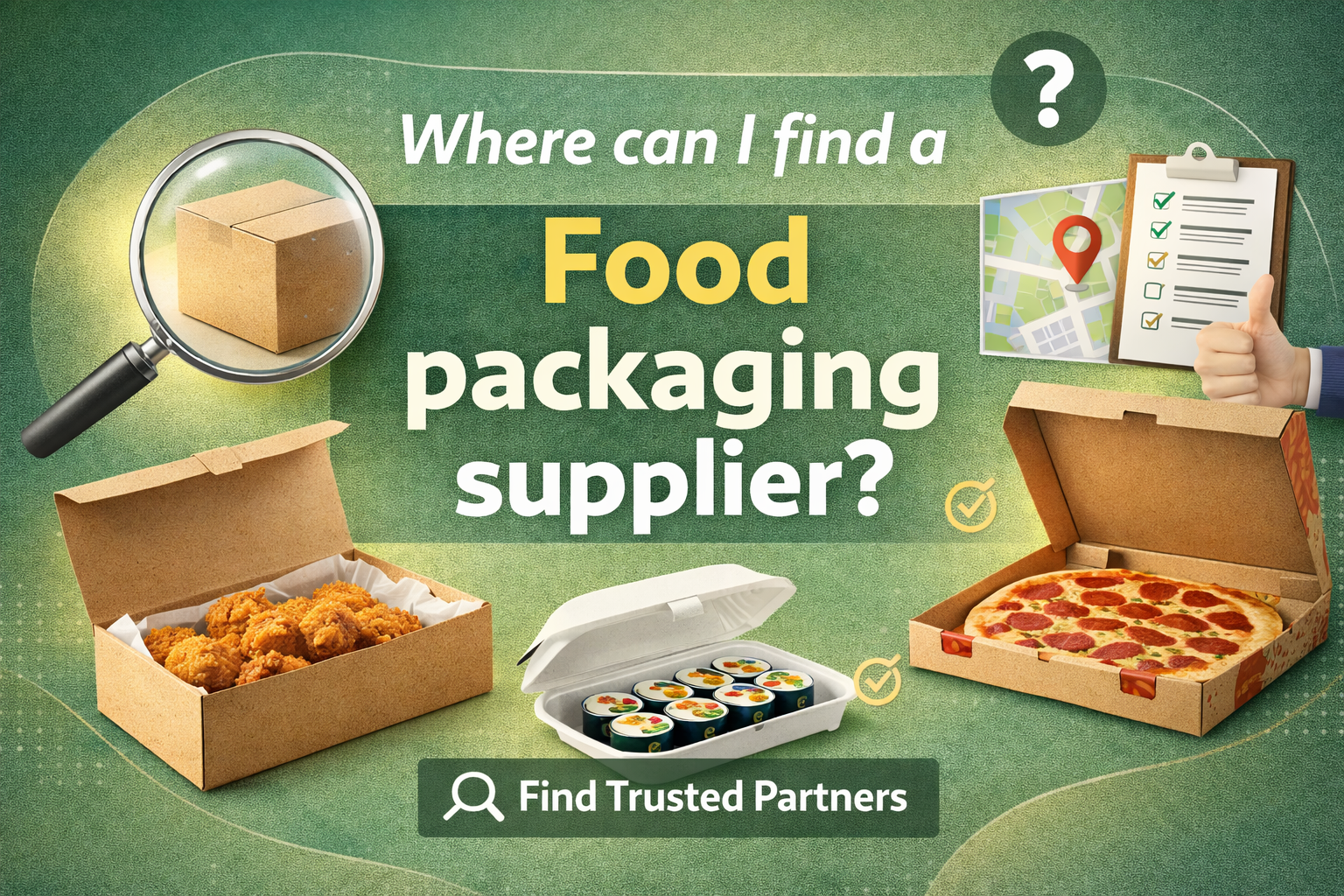
Four main channels dominate the UK packaging market, each serving different business scales and urgency levels. Independent suppliers like Brilliant Packaging offer specialised ranges including take-out boxes with custom branding options, typically delivering within 5-7 working days. National wholesalers stock standardised formats at competitive bulk rates—ideal when consistency matters more than uniqueness.
Cash-and-carry outlets offer same-day solutions for emergency restocking, though their selection tends toward generic designs. Online marketplaces cast the widest net, with some platforms listing over 2,000 packaging variations. The strategic buyer combines channels: routine orders through wholesalers, custom projects via specialists, and emergency gaps filled by local suppliers. Geography influences availability significantly—London businesses access next-day delivery from 50+ suppliers, whilst rural operations often face 72-hour lead times even for standard stock.
Online Suppliers: The Pros and Cons
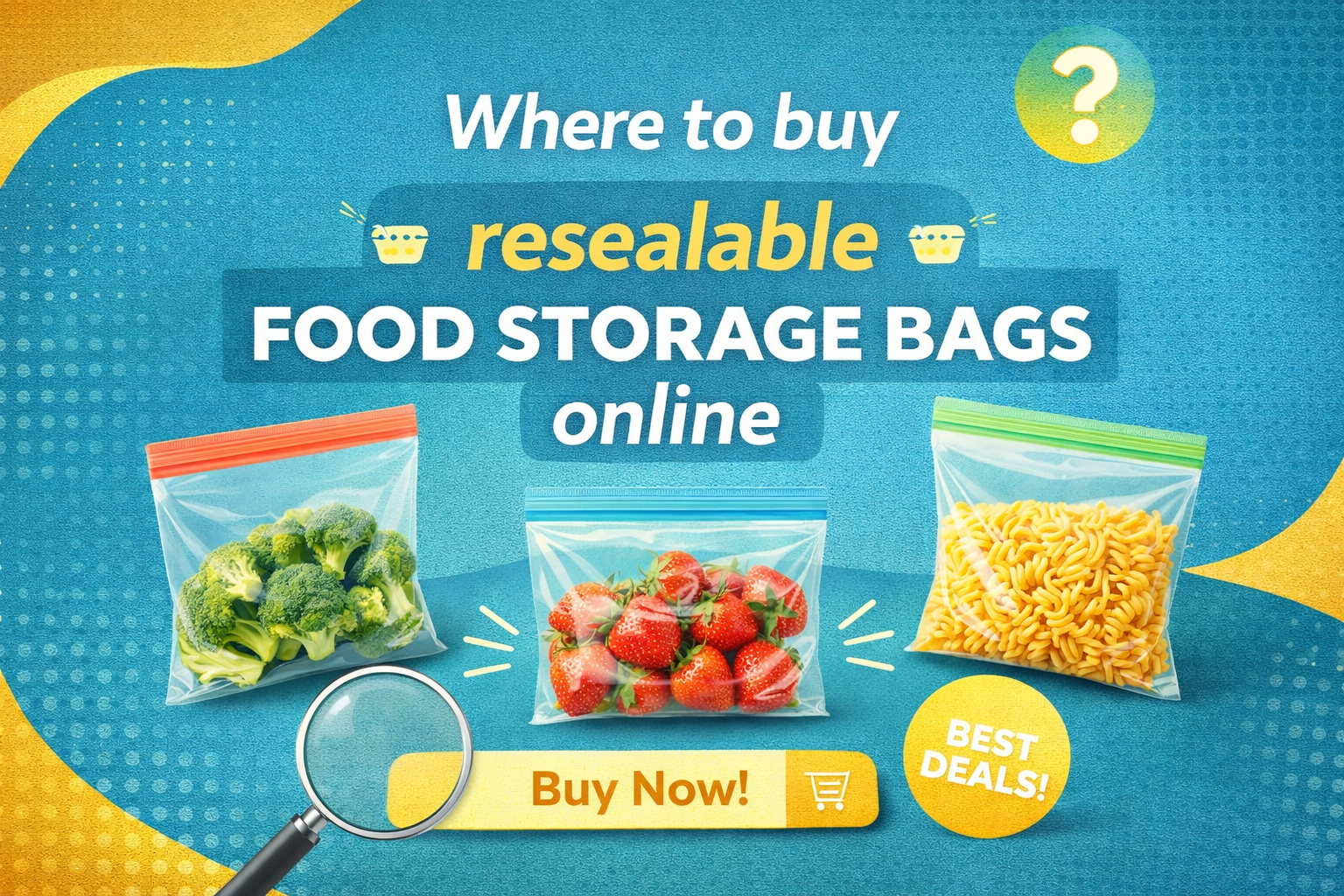
Digital marketplaces offer unmatched convenience but demand careful vetting. Purchasing food containers online presents distinct advantages: 24/7 ordering, simplified comparison shopping, and typically lower prices due to reduced overheads. Specialist suppliers like Brilliant Packaging provide detailed product specifications and transparent pricing without pushy salespeople.
However, you sacrifice immediate tactile assessment. According to food packaging market analysis, variations in material quality significantly impact product protection—something you can’t evaluate from screen images alone. Delivery delays can disrupt operations, whilst minimum order quantities occasionally exceed small business requirements.
The sweet spot? Use online channels for replenishing proven products and local suppliers when testing new packaging types. This hybrid approach captures digital efficiency without compromising on quality assurance—particularly crucial when container integrity directly affects food safety compliance.
Comparing Pricing and Quality
Price alone rarely tells the complete story when sourcing packaging materials. A wholesale food packaging supplier quoting £0.15 per unit might initially seem preferable to one charging £0.22, yet the cheaper option often compromises on barrier protection or material thickness. What typically happens is businesses discover hidden costs—rejected deliveries due to transit damage, customer complaints about leaking containers, or failed health inspections—that dwarf initial savings.
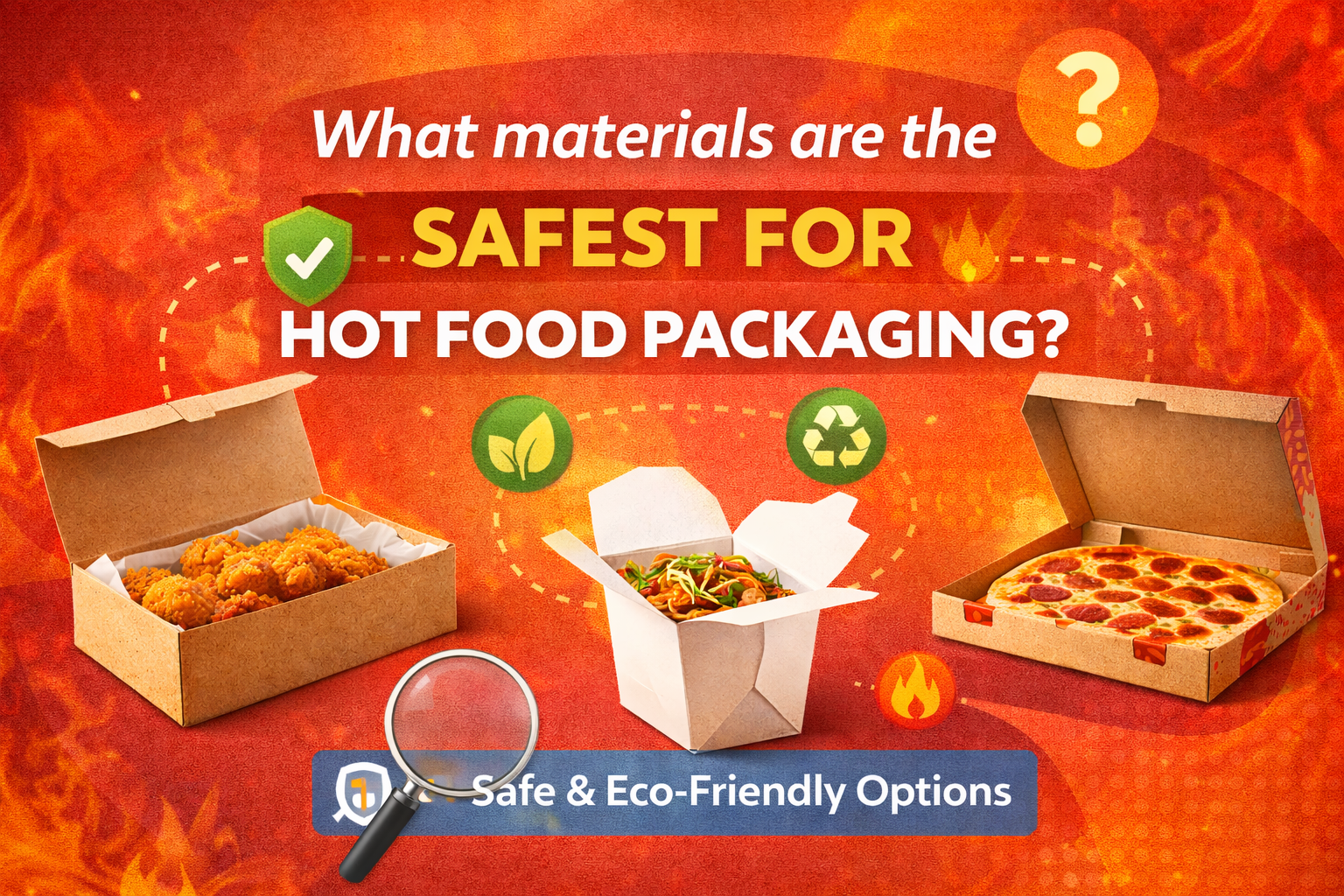
Quality benchmarks vary dramatically across channels. Trade suppliers generally stock FSC-certified materials and provide detailed specifications, including moisture resistance ratings and temperature tolerances. Industry data shows that sustainable packaging commands 15-20% price premiums while reducing waste costs by up to 30% through improved product protection. The sweet spot exists where material integrity matches your food type’s demands without over-engineering—a salad container needs different sealing properties than hot soup packaging, for instance.
Smart buyers request samples before bulk orders, testing them under real-world conditions. This practical approach reveals whether that attractively-priced compostable box actually withstands your kitchen’s humidity levels, setting the stage for confident large-scale purchasing decisions.
Hypothetical Scenarios: Choosing Packaging for Your Needs
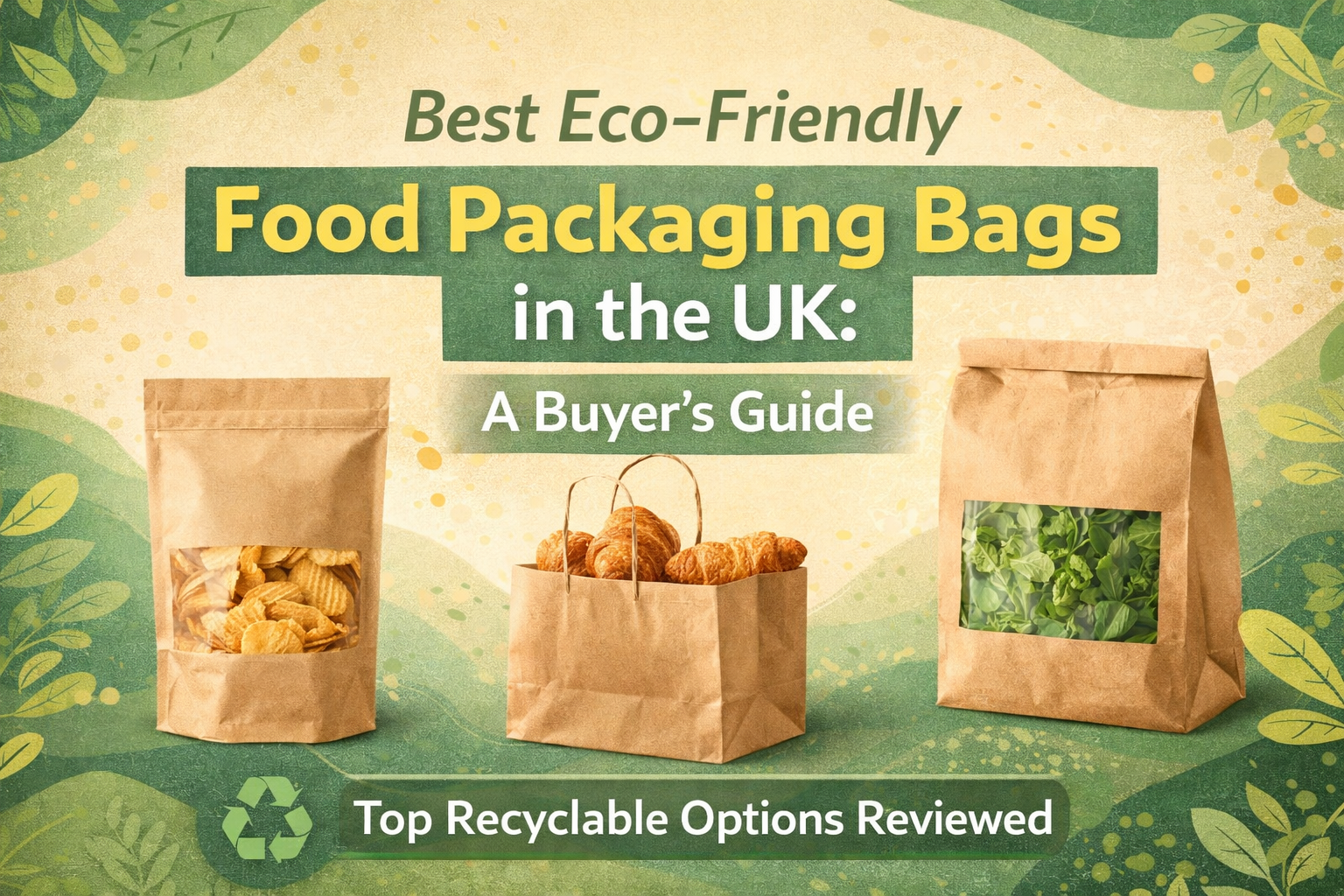
Real-world applications illustrate how packaging decisions align with specific business requirements. Consider a plant-based meal delivery service launching in Manchester: their packaging strategy must balance temperature retention, moisture control, and brand values. Selecting eco-friendly food packagingsourced from sustainable suppliers communicates environmental commitment whilst meeting functional demands—compostable containers maintain structural integrity during transit yet decompose within weeks.
In practice, a street food vendor faces entirely different priorities. A taco stand near Leeds requires leak-resistant boxes with secure closures for grab-and-go service. Their packaging choice emphasises affordability and grease resistance over sustainability messaging, sourcing polypropylene containers from local wholesalers that offer bulk pricing.
What typically happens when businesses misalign packaging with operational needs? A ghost kitchen discovered that its premium cardboard boxes absorbed steam from hot dishes, leaving them soggy when they arrived at customers’ doors. Switching to vented containers with moisture barriers solved the issue—demonstrating how packaging selection directly impacts customer satisfaction and repeat business.
Trust and Considerations: Ensuring Safety and Compliance
Regulatory compliance represents non-negotiable territory when sourcing food packaging. A supplier’s certification portfolio—covering food contact materials, migration testing, and traceability—determines whether custom food boxes legally protect your products and consumers. The Food Packaging Market Report 2025-2030 notes increasingly stringent international standards driving supplier accountability.
What typically happens is that businesses prioritise certifications that match their distribution channels: FDA approval for US exports, EC compliance for European markets, and FSC or BRC accreditation for environmental claims. A common pattern is requesting third-party test reports for materials contacting high-moisture or acidic foods, where chemical leaching poses a greater risk.
However, compliance documentation alone doesn’t guarantee consistent quality. Audit frequency, batch-testing protocols, and transparent supply-chain mapping distinguish reliable partners from those merely checking regulatory boxes. The transition towards sustainable materials—compostable films and recycled content—introduces additional verification layers that suppliers must navigate proactively.
Common Mistakes to Avoid When Purchasing
Overlooking certification requirements remains the most costly error in packaging procurement. Businesses often select attractive or affordable boxes without verifying that they meet food-safe packaging requirements, only to discover compliance gaps when products reach the market. A supplier’s lack of FDA, FSC, or other relevant regional certifications can trigger expensive recalls or regulatory penalties—particularly damaging for emerging brands building their reputations.
Volume miscalculations frequently lead to warehouse inefficiency or stockouts. Ordering excessive quantities ties up capital and storage space, whilst underestimating demand creates service disruptions. A common pattern is for businesses to calculate volumes based on current sales, without factoring in seasonal peaks or promotional campaigns. Building relationships with suppliers offering flexible minimum order quantities provides a buffer against these forecasting challenges whilst maintaining cash flow efficiency.
Ignoring testing protocols before full-scale orders creates preventable waste. What appears perfect on a catalogue page may perform poorly with specific products—grease migration, moisture compromise, or inadequate temperature resistance only become apparent during real-world use. Requesting samples and conducting practical trials, including storage-condition stress tests, identifies compatibility issues before committing to bulk purchases that ultimately become costly write-offs.
Key Takeaways
Strategic sourcing of food packaging boxes demands balancing regulatory compliance, sustainability objectives, and operational efficiency. The market’s projected growth to $603.7 billion by 2033 reflects increasing demand for innovative solutions that meet both consumer expectations and environmental standards. Successful procurement begins with clearly defining your requirements—from material specifications to certification needs—before engaging suppliers.
Whether securing restaurant packaging supplies or retail solutions, prioritising certified suppliers with transparent sourcing practices protects your brand reputation. Evaluate manufacturers through their compliance documentation, sustainability credentials, and capacity for customisation. The most cost-effective approach isn’t always the lowest initial price; factor in delivery reliability, flexibility in minimum order quantities, and potential for a long-term partnership. Start your sourcing journey by requesting samples, comparing comprehensive quotes including hidden costs, and verifying supplier certifications independently. Strategic packaging procurement transforms functional necessity into competitive advantage.