Why Food Packaging Matters More Than Ever in the UK
UK consumers have changed. Dramatically. A 2023 study by WRAP found that over 67% of British shoppers now actively consider packaging sustainability before buying a food product. That’s not a niche statistic — that’s the majority of your customers making decisions based on how you package your product.
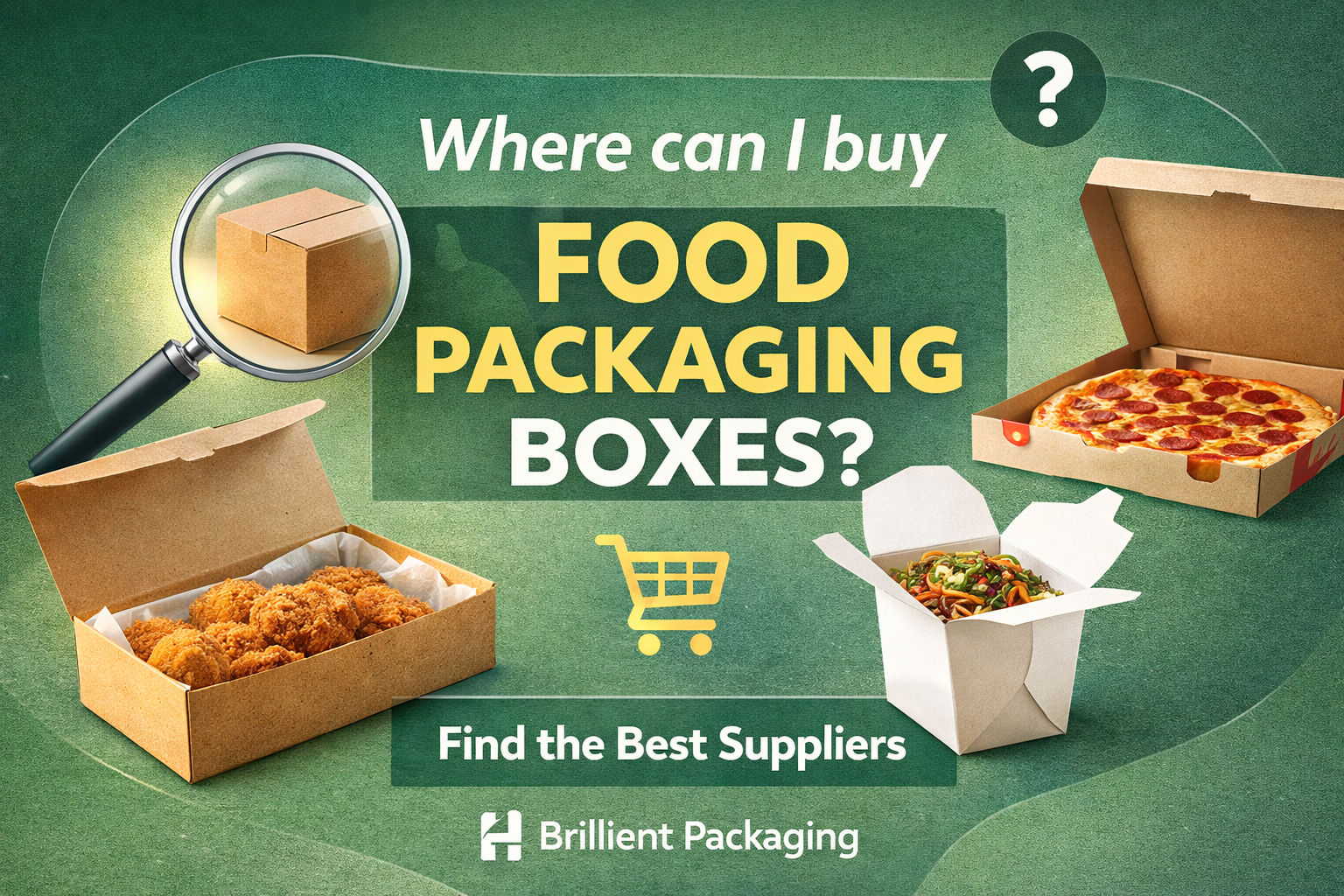
Add to that the explosion of food delivery services, D2C food brands, and artisan producers selling on platforms like Not On The High Street and Etsy and suddenly, food packaging boxes have to work harder than ever before.
They need to protect. They need to impress. They need to say something about who you are as a brand before anyone takes a single bite.
What Types of Food Packaging Do UK Businesses Actually Use?
Right here’s where I see businesses get overwhelmed. There are so many formats, materials, and options that decision paralysis sets in fast. Let me simplify it.
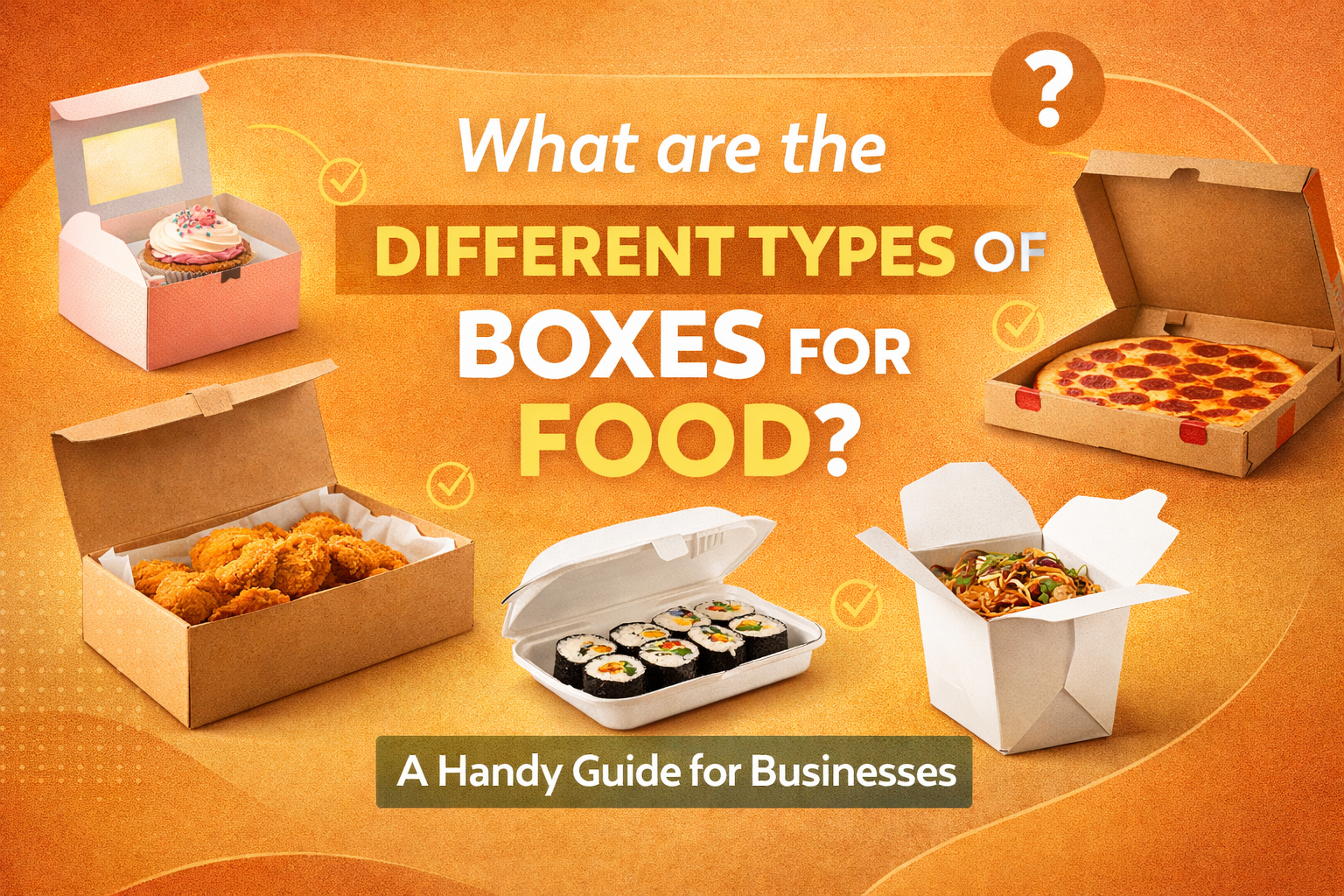
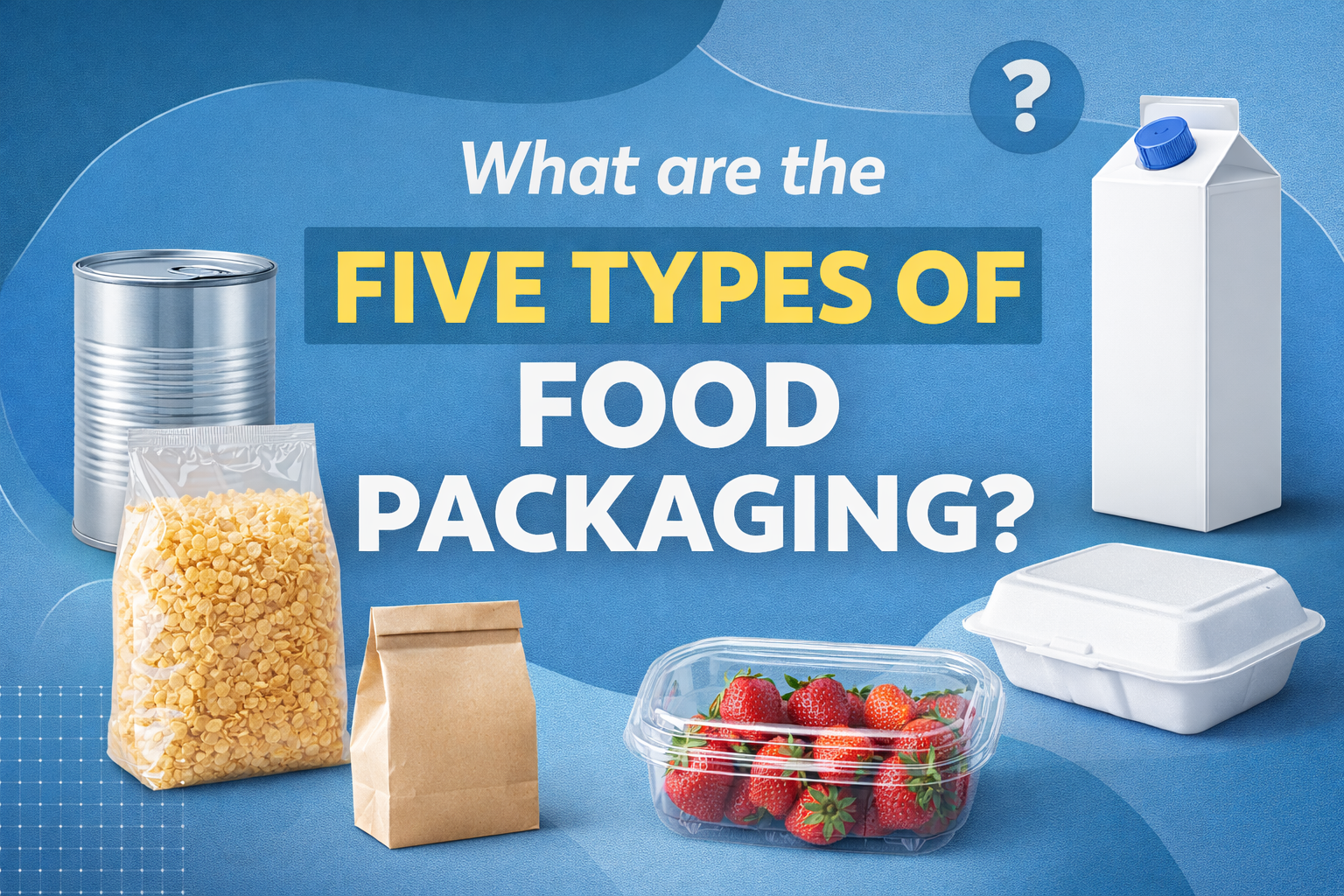
The most common food packaging formats in the UK:
- Folding carton boxes: workhorses of retail food packaging; cost-effective, printable, recyclable
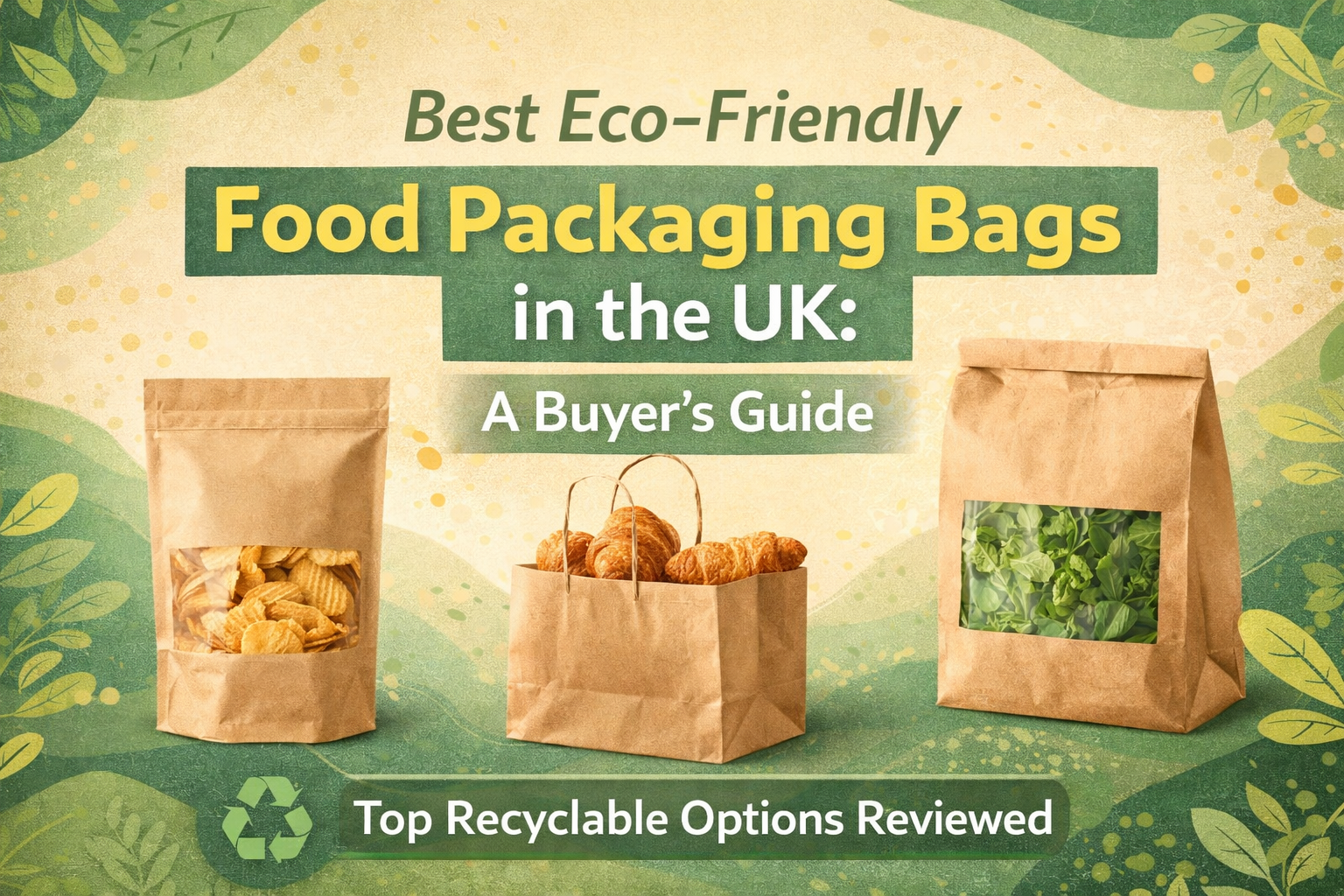
- Kraft paper bags and boxes: the go-to for artisan, bakery, and eco-conscious brands
- Rigid gift boxes: premium food gifting, hampers, luxury chocolates
- Takeaway containers: cardboard, bagasse, or rPET depending on sustainability goals
- Flexible pouches and stand-up bags: ideal for granola, snacks, coffee, dry goods
- Vacuum seal packaging: extends shelf life for meat, cheese, and charcuterie
The right format depends on three things: your product’s physical requirements, your brand positioning, and your customer’s experience of opening the packaging. Don’t skip that last one — the unboxing moment matters enormously for food gifting and premium products.
Eco-Friendly Food Packaging: What UK Buyers Actually Want
Here’s something I tell every client: ‘eco-friendly’ means different things to different customers. Some want fully compostable packaging. Some just want recyclable. Some care about recycled content. And some want all three.
In my experience working with UK food brands, the most commercially effective approach is to lead with the sustainability credentials your target customer actually cares about — and make those credentials visible on the packaging itself.
The main eco-friendly food packaging options available in the UK:
- Recyclable cardboard food boxes — kerbside recyclable; easy win for most UK brands
- Compostable packaging — certified home or industrial compostable; strong signal for premium and organic brands
- Biodegradable food packaging — breaks down naturally; popular but check certification carefully
- Recycled content packaging — made from post-consumer waste; strong ESG credentials
- Bagasse containers — sugarcane fibre; excellent for hot food takeaway
The UK Plastics Pact and Extended Producer Responsibility (EPR) regulations are tightening fast. If you’re not already planning your transition to sustainable food packaging, you’ll be forced into it within the next few years. Better to get ahead of it now and use it as a marketing advantage.
Should You Invest in Custom Food Packaging?
Short answer? If you’re serious about your brand — yes. Without question.
Custom food packaging doesn’t have to mean huge minimum orders and eye-watering setup costs. Digital printing has changed the economics entirely. Today, UK food businesses can get custom printed packaging from runs as low as 250–500 units — making it accessible even for independent producers and small-batch food makers.
And the return on that investment? It shows up in ways that are hard to measure directly but easy to see in practice: more social media shares, higher perceived product value, stronger brand recall, and better repeat purchase rates.
I worked with a jam producer in the Cotswolds who switched from plain white labels to custom kraft boxes with foil-stamped branding. Their average order value went up 22% within three months. Same jam. Better packaging.
💡 Quick Tip for UK Food Businesses
Before ordering custom food packaging, get physical samples and test them under real conditions.
Refrigerate them. Stack them. Put them in a courier bag and shake it around.
What looks good on a screen can behave very differently in the real world.
A good packaging supplier will always offer samples before you commit to a full order.
How to Choose the Right Food Packaging for Your Business
I get asked this constantly. And honestly, there’s no universal answer — but there is a reliable framework:
- Start with your product: what protection does it actually need? Heat retention? Moisture barrier? Freezer compatibility?
- Know your customer: are they buying premium gifting? Everyday convenience? Eco-conscious grocery?
- Match your brand positioning : your packaging should feel like a natural extension of your brand, not an afterthought
- Think about the supply chain: how will it be stored, shipped, and displayed?
- Check compliance — UK food labelling law requires specific information displayed clearly; make sure your format accommodates it
The businesses I’ve seen struggle most are those who choose packaging based purely on cost. The ones who win treat packaging as a brand investment — because that’s exactly what it is.
FAQs: Food Packaging in the UK
What is the best food packaging for small UK businesses?
For most small UK food businesses, kraft cardboard boxes or folding cartons with custom printing offer the best balance of cost, sustainability, and brand impact. Start with a format that works for your product, then add custom printing as your volume grows.
Is eco-friendly food packaging more expensive?
Not always — and the gap is narrowing fast. Recyclable cardboard food packaging is often price-competitive with standard alternatives. Compostable and biodegradable options do carry a premium, but many UK food businesses find the marketing benefit outweighs the cost difference, particularly in premium and health-food categories.
What food packaging materials are recyclable in the UK?
Plain cardboard, kraft paper, and clean paper-based packaging are all kerbside recyclable across the UK. Most rigid plastics (PET, HDPE) are also widely accepted. Flexible plastics, foil-lined packaging, and laminated materials remain difficult to recycle through standard kerbside collections — though specialist collection schemes are expanding.
Can I get food packaging with my logo printed on it?
Absolutely — and it’s more affordable than most people expect. Custom printed food packaging is available across a wide range of formats, from takeaway boxes and kraft bags to rigid gift boxes and flexible pouches. Digital printing allows low minimum orders, making branded packaging accessible even for independent food businesses.
The Bottom Line
Food packaging in the UK has never been more important — or more interesting. The combination of rising consumer expectations, tightening sustainability regulations, and the growth of direct-to-consumer food brands means that getting your packaging right is genuinely one of the highest-leverage decisions you can make for your food business.
Don’t treat it as a commodity purchase. Treat it as a brand decision. Because that’s what your customers are doing — every single time they pick up your product.
Ready to Upgrade Your Food Packaging?
Brillient Packaging supplies custom food packaging boxes, eco-friendly solutions,
and sustainable packaging for UK businesses of all sizes. Get a free quote today.