If you run a restaurant or food business, you’ve probably asked yourself this at some point:
“Which packaging box is actually right for my food?”
And honestly—it’s not as simple as it sounds.
I’ve worked with dozens of food brands, from small takeaway shops to large restaurant chains in the UK. And one thing is always the same… confusion. Too many options. Too many materials. And the fear of choosing the wrong one and losing customers because of soggy food or poor presentation.
Sound familiar?
Let me break it down for you in a simple, practical way—no fluff, no jargon. Just what actually works.
Why Choosing the Right Food Box Matters
Before we jump into types, here’s something most people ignore.
Packaging isn’t just a container.
It’s part of your customer experience.
Bad packaging = ruined food + bad reviews
Good packaging = better presentation + repeat orders
And yes, I’ve seen businesses increase repeat customers just by upgrading their packaging.
So yeah—it matters.
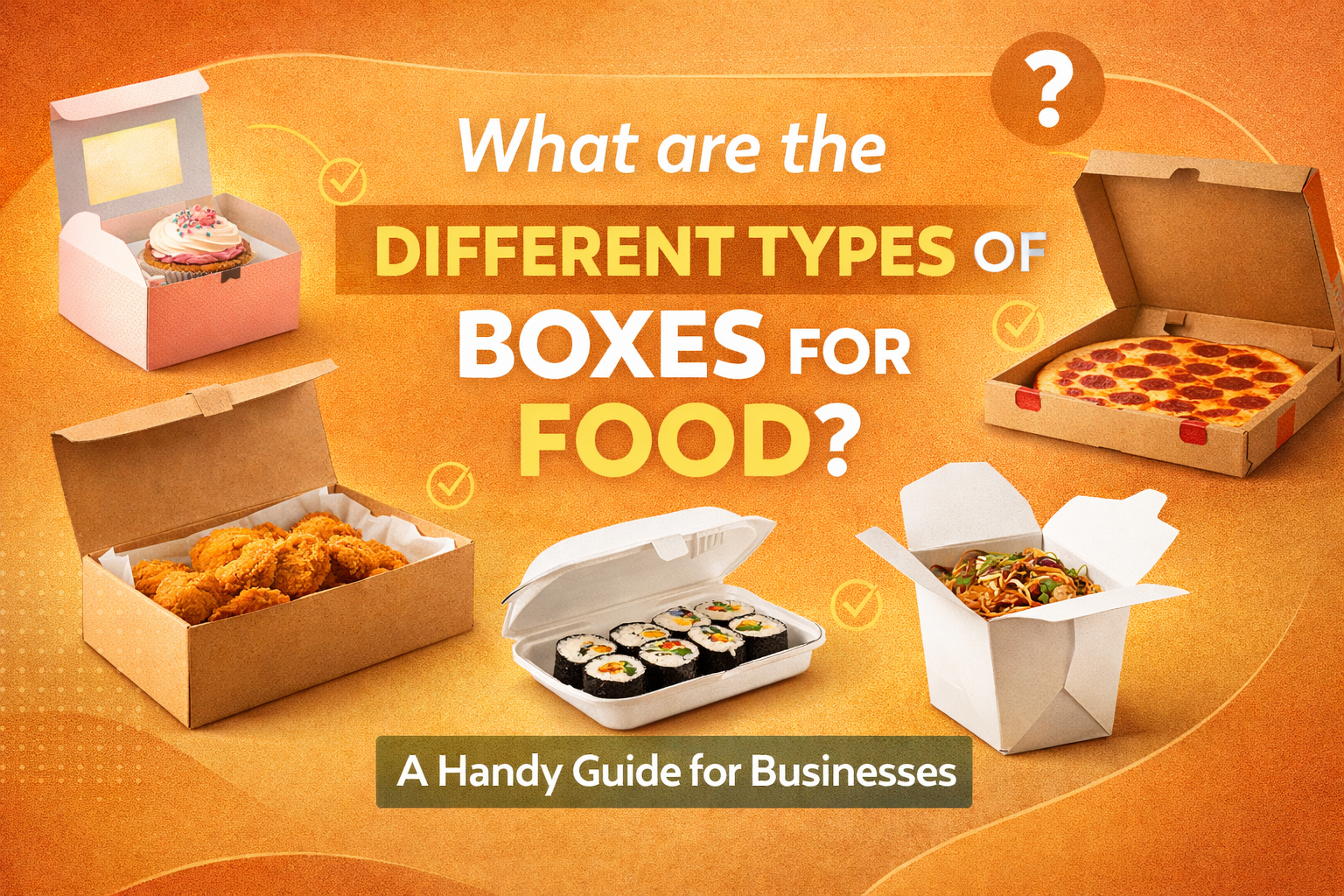
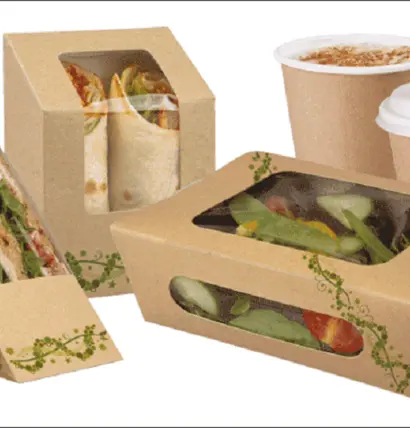
1. Paperboard Food Boxes (Foldable & Lightweight)
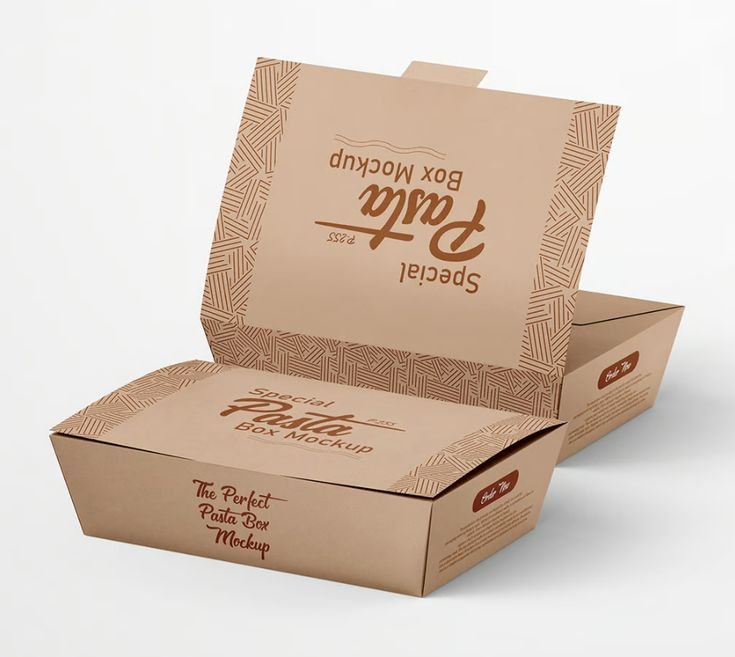
These are the most common boxes you’ll see in takeaways.
Think burgers, fries, sandwiches.
They’re made from thick paperboard and usually come in foldable designs.
Why businesses love them:
- Lightweight and cost-effective
- Easy to print branding
- Eco-friendly options available
Where they work best:
- Fast food
- Cafés
- Takeaway meals
In my experience, small food businesses start here because it’s affordable and versatile. But here’s the catch…
They’re not great for oily or very hot food unless coated properly.
2. Corrugated Food Boxes (Strong & Protective)
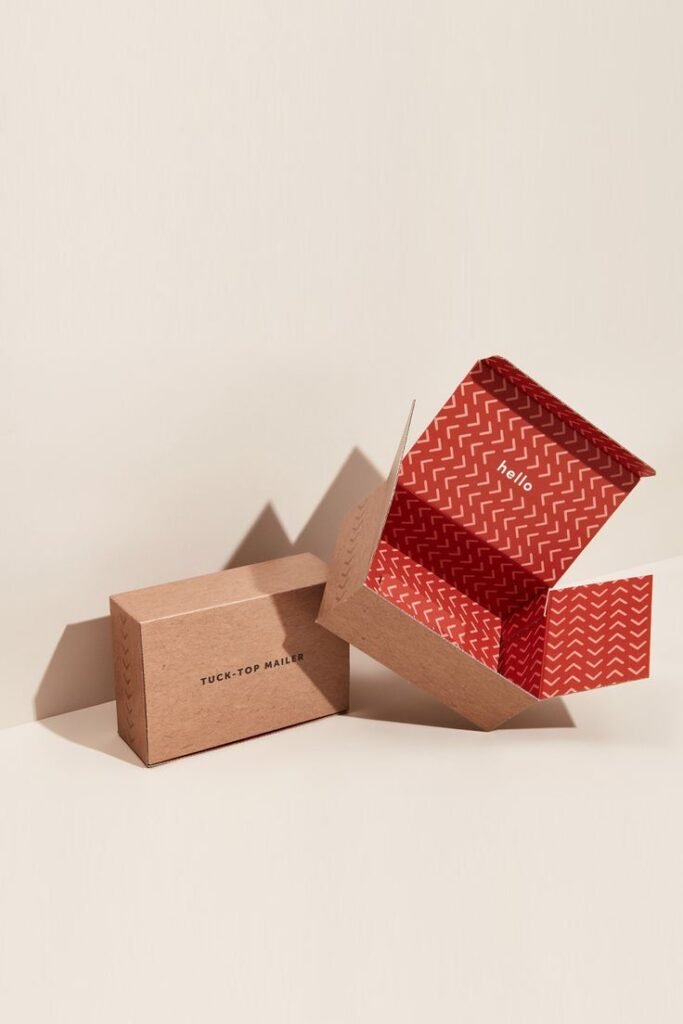
If you’ve ever ordered pizza, you already know this one.
Corrugated boxes have a fluted layer inside. That gives them strength and insulation.
Why they’re powerful:
- Strong and durable
- Keeps food warm longer
- Ideal for delivery
Best use cases:
- Pizza boxes
- Large meal packaging
- Food delivery services
One of my clients switched to corrugated packaging for deliveries—and complaints about cold food dropped within weeks.
So yeah… small change, big impact.
3. Rigid Food Boxes (Premium Packaging)
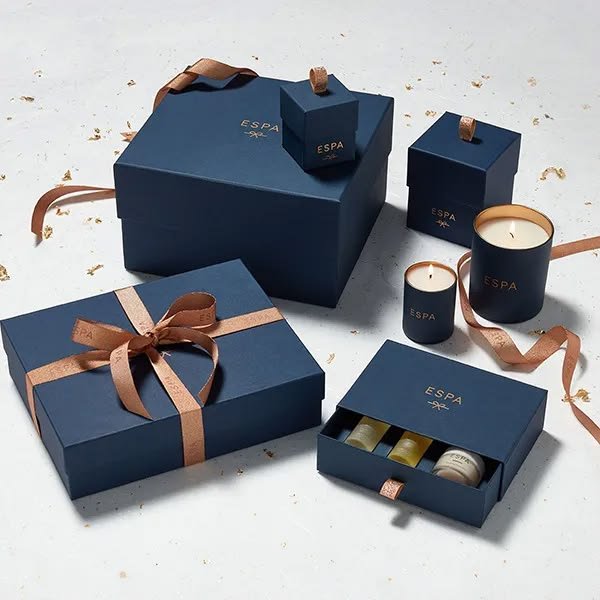
Want to make your brand look premium?
This is it.
Rigid boxes don’t fold. They’re sturdy, high-end, and used mostly for presentation.
Why choose rigid boxes:
- Premium look and feel
- Strong structure
- Perfect for branding
Ideal for:
- Bakery items
- Gift packaging
- High-end desserts
But here’s the honest truth…
They cost more. So they only make sense if your product pricing supports it.
4. Plastic Food Containers (Clear & Leak-Proof)
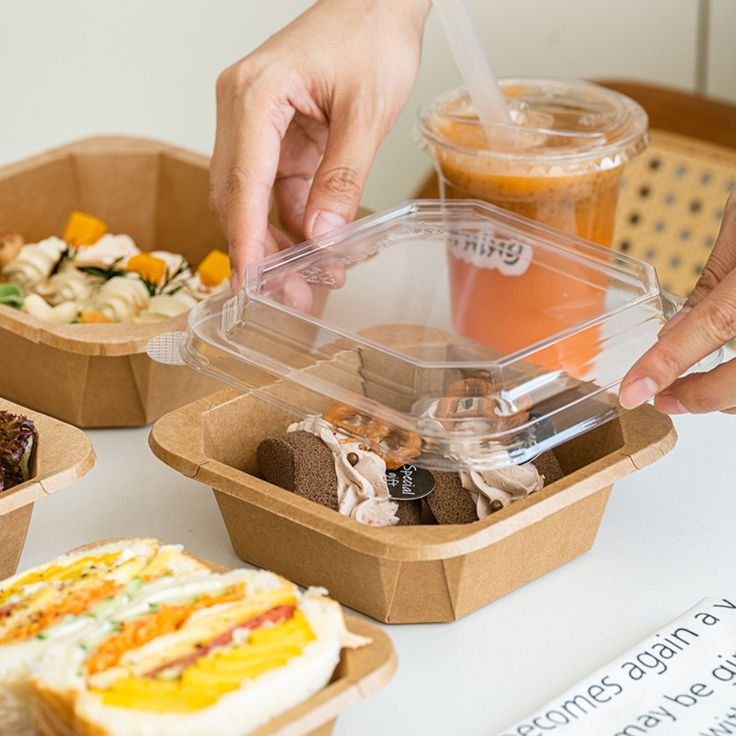
You’ve seen these everywhere.
Clear lids. Airtight seals. Easy to stack.
Why they’re used:
- Leak-proof for liquids
- Visible food (great for display)
- Durable
Common uses:
- Salads
- Saucy dishes
- Meal prep
But… there’s a growing problem.
Customers in London are becoming more eco-conscious. So plastic is slowly being replaced with sustainable options.
Something to keep in mind.
5. Foil Food Containers (Heat Retention Experts)
If your food needs to stay hot—this is your best friend.
Foil containers trap heat really well.
Why they work:
- Excellent heat retention
- Leak-resistant
- Oven-safe
Best for:
- Biryani, pasta, baked dishes
- Catering services
I’ve tested this personally with a takeaway client. Switching to foil improved food temperature during delivery significantly.
But yes… presentation isn’t the strongest point here.
6. Clamshell Boxes (Quick & Convenient)
These are the “flip-open” boxes.
Simple. Fast. Functional.
Why they’re popular:
- Easy to open and close
- Secure for transport
- Great for quick service
Used for:
- Burgers
- Rice meals
- Street food
But here’s the thing nobody tells you…
Foam clamshells are cheap—but they hurt your brand image today. Many businesses are shifting to eco-friendly kraft clamshells instead.
7. Custom Food Boxes (Branding + Function Combined)
This is where smart businesses win.
Custom boxes are designed specifically for your product and brand.
Why they matter:
- Strong brand identity
- Better customer experience
- Higher perceived value
And get this…
One of my clients increased Instagram mentions just by switching to branded packaging. People love sharing good-looking food.
If you’re serious about growth, investing in custom food packaging from platforms like
→ https://brillientpackaging.co.uk/ can actually set you apart in a crowded London market.
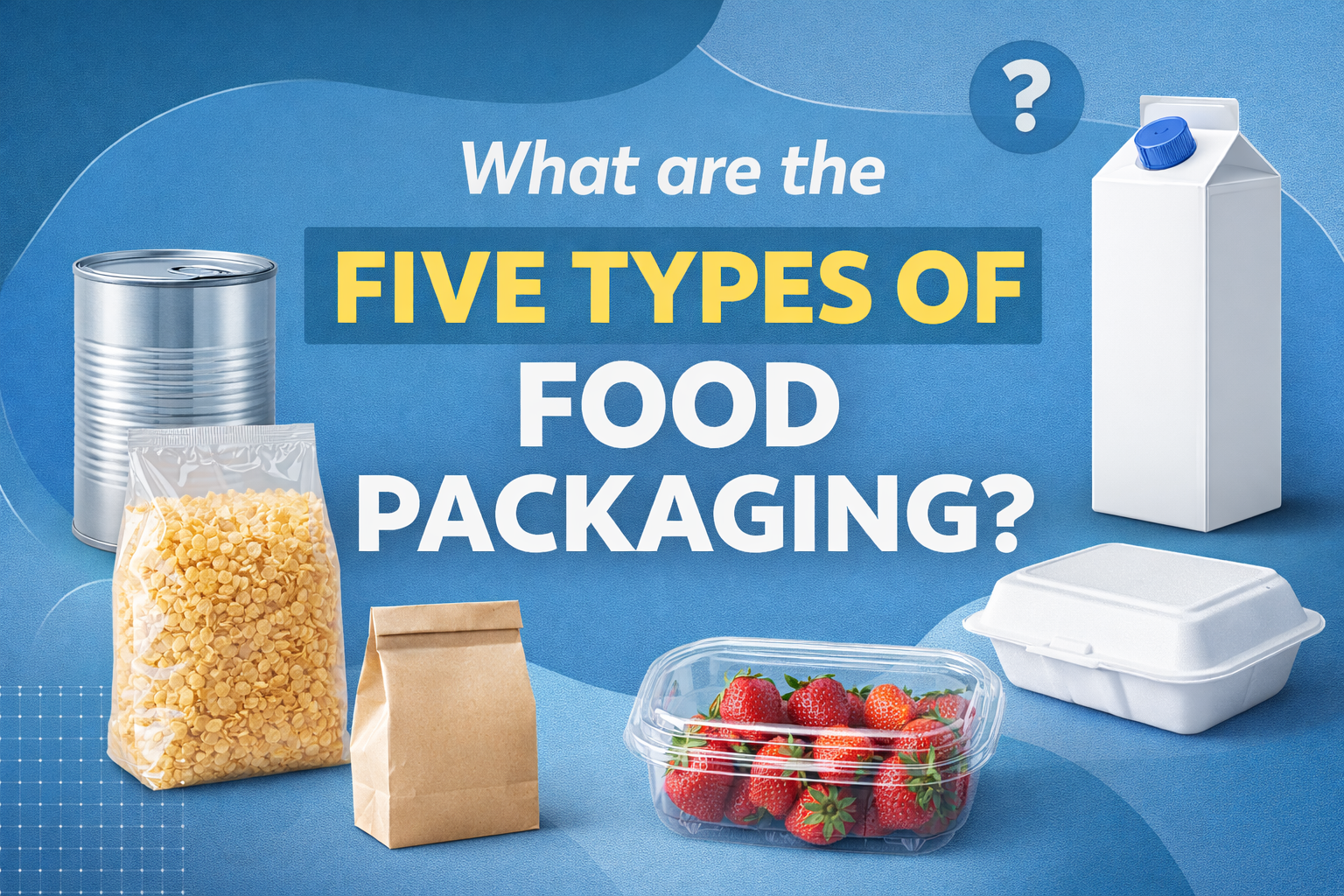
Types of Food Packaging Materials (Quick Breakdown)
Now let’s answer another common confusion.
“What materials are these boxes made from?”
Here’s a simple breakdown:
- Paper & Cardboard: Eco-friendly, widely used
- Plastic: Durable but less sustainable
- Aluminum (Foil): Great for heat retention
- Biodegradable Materials: Growing fast in the UK market
And honestly, if you’re targeting London customers, going eco-friendly isn’t optional anymore—it’s expected.
Key Features to Look for in Food Packaging Boxes
So how do you actually choose?
Here’s what I tell every food business owner:
1. Heat Retention
Will your food stay warm during delivery?
2. Leak Protection
No one wants spilled curry in a delivery bag.
3. Ventilation
Some foods need airflow (like fried items).
4. Eco-Friendliness
Customers notice this more than you think.
5. Branding Space
Can you print your logo clearly?
Simple questions. Big difference.
How to Choose the Right Box for Your Food Business
Let me make this easy.
Ask yourself:
- Are you doing dine-in, takeaway, or delivery?
- Is your food hot, oily, or liquid-based?
- Do you want premium branding or basic packaging?
If you’re just starting—keep it simple.
If you’re scaling—go custom.
And if you’re in a competitive market like London… branding is not optional anymore.
You can explore tailored solutions directly from
→ https://brillientpackaging.co.uk/food-packaging/
to match your exact product needs.
Common Mistakes Food Businesses Make
I’ve seen these mistakes too many times:
- Choosing cheap packaging that ruins food quality
- Ignoring branding completely
- Not testing packaging before bulk orders
- Using plastic when customers expect eco options
And the worst one?
Copying competitors without understanding your own product needs.
Don’t do that.